It’s a fact that lone workers face higher levels of risk than those who work within a team and are constantly supervised. Lone worker safety is therefore a big concern for many sites, but there are ways in which it can be managed. Keep reading to find out more about lone worker safety and how monitoring can help keep them safe.
- What is a lone worker?
- What are some examples of lone workers?
- Why is lone worker safety important?
- What are the risks of being a lone worker?
- What responsibility do employers have for their lone workers?
- How can lone worker safety be improved?
- What is lone worker monitoring?
- How does lone worker monitoring work?
- Benefits of a lone worker monitoring system
- Integrated Remote Supervision for Lone Workers
- How much does it cost?
- Lone Worker Monitoring with RMS
What is a lone worker?
A lone worker is an employee who is required to perform their duties and carry out their tasks away from and in isolation from other workers. They will also not have any close or direct supervision, meaning they carry out their work independently and alone. However, this does propose potential risks to the lone worker’s safety and security.
What are some examples of lone workers?
Many industries and companies use lone workers for the day-to-day running of their businesses. Some common examples of lone workers include security personnel and patrol wardens (especially out of hours), cleaners, retail workers stacking shelves or managing a shop alone, those in one-to-one meetings or consultations without another colleague and construction workers who can’t be seen or heard by the rest of their team.
The definition spans roles from remote utility maintenance to night-shift staff, and the specific risks vary significantly across these environments. For instance, workers in challenging environments like manufacturing, waste, and recycling facilities face machinery hazards, while night-time remote patrol staff might encounter higher risks of confrontation or intrusion. Understanding the diverse operational contexts is key to effective lone worker management, and using how monitoring services support your health and safety risk assessments can provide tailored safety protocols for each role.
Why is lone worker safety important?
Lone working leaves an employee vulnerable to several risks. Due to no direct supervision, there is no one to help them in an emergency or call the emergency services if it was needed. A lone worker runs the risk of experiencing an accident, injuring themselves and not being found for many hours. Additionally, their vulnerability makes them a key target for criminal activity, such as attacks, break-ins and theft.

What are the risks of being a lone worker?
Injury, theft, assault, violence and loss of life are the biggest risks to lone workers.
Injury & Loss of Life
Many work within hazardous industries such as manufacturing and construction and are carrying out manual work as well as using industrial machinery, which all often have a high risk of injury. This risk heightens when working alone significantly.
Theft
Those working within retail spaces will already know the risks of theft. However, lone working in this environment can make you susceptible to an increased risk of theft and intruders.
Violence & Assault
Working with the public as a lone worker heightens vulnerability and the risk of being a target of violence in some way. Worryingly, the latest BRC Crime Survey revealed that incidents of abuse and violence against retail staff have spiralled to around 1,300 per day across the UK, highlighting the escalating risk faced by employees who frequently work without close supervision. Furthermore, research consistently shows that a significant proportion of lone workers, estimated to be up to one in three, have experienced some form of physical or verbal assault while on duty.
Psychological Risks and Mental Health
Beyond physical harm, the isolation inherent in lone working can pose significant psychological risks. Employees may experience increased stress, anxiety, or burnout due to the pressure of independent responsibility and the lack of immediate peer support. Recognising these non-physical threats is an essential part of the employer’s duty of care, ensuring that monitoring solutions also provide workers with reassurance and a clear line of communication, rather than solely focusing on physical intruder monitoring or emergency response.
What responsibility do employers have for their lone workers?
Employers have a legal responsibility to provide a safe working environment for their employees, including lone workers, under the Management of Health and Safety at Work Regulations 1999. Employers must therefore identify and manage the risks associated with their lone workers and provide adequate training, supervision and monitoring.
The Health and Safety Executive (HSE) clearly states that a core part of this responsibility involves ensuring that staff are equipped with reliable means of communication and a robust emergency procedure. This is especially critical in sectors where workers operate in remote or hazardous areas, such as when conducting remote health and safety patrols. Furthermore, this duty extends to conducting thorough and periodic reviews of the risk assessment and control measures for lone workers, ensuring compliance remains effective as working patterns evolve. Understanding what NSI Gold means for your business can help employers choose a monitoring partner who meets the highest regulatory standards for ensuring this duty of care is upheld 24/7.
How can lone worker safety be improved?
Lone worker safety can be improved in a number of ways. Firstly, a thorough risk assessment will identify where the risk lies with each lone worker. This will then help guide an employer to provide the necessary training to the lone worker, so that they can reduce their own risk and keep themselves safe.
Providing proficient supervision and monitoring is also another way in which lone worker safety can be improved. This can be done with lone worker monitoring.
What is lone worker monitoring?
Lone worker monitoring is a remote service in which a third-party monitoring company will monitor the lone worker throughout their shift or task at hand to check on their safety. It is an effective way of checking in on lone workers and can be carried out in several ways, dependent on the site’s capabilities and security system setup.
This can include:
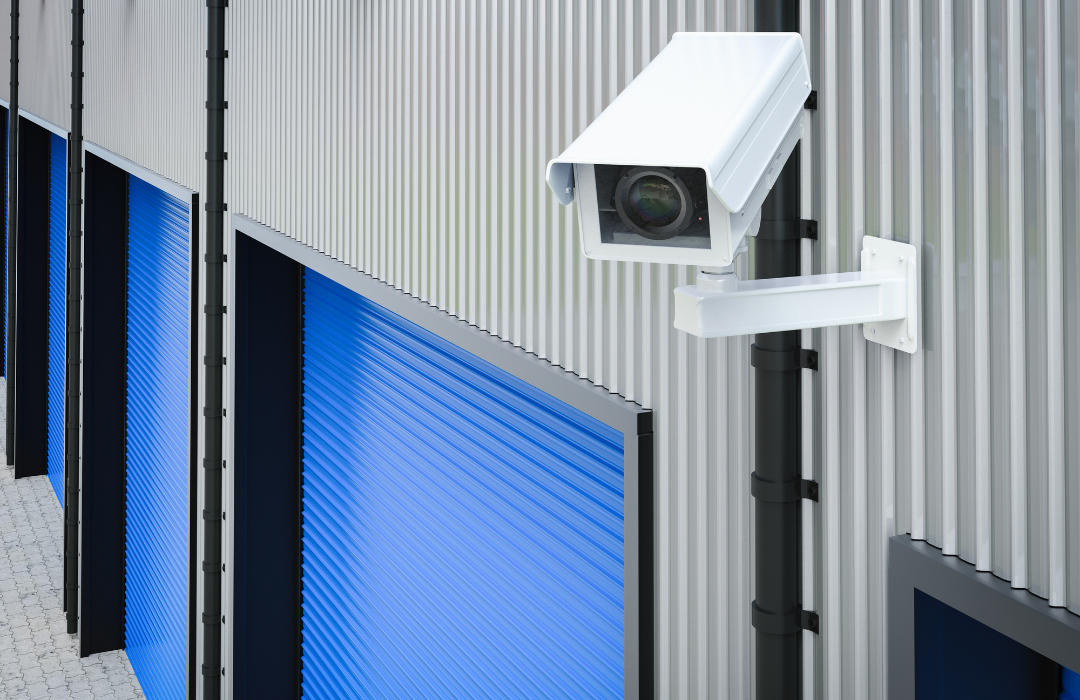
- Using the site’s CCTV monitoring system cameras to physically check if the lone worker is okay.
- Regularly checking in with the lone worker via smart device.
- Using tracking devices (worn by the lone worker) and panic alarms that notify the monitoring company, if activated.

How does lone worker monitoring work?
Whichever method of supervision and monitoring is used with lone workers, once a notification has been received by the monitoring company, or it’s been determined that something could be wrong, the highly trained monitoring operatives will:
- Attempt to get hold of the lone worker.
- Initiate an emergency services response, if necessary.
- Provide the emergency services with all the situational details, including location, the lone worker and the incident that took place.
Modern lone worker monitoring leverages smart technology to enhance safety far beyond simple check-in calls. Contemporary devices often incorporate advanced features like man-down detection, GPS localisation, and non-movement alerts, which are crucial for rapidly identifying an incident even if the worker cannot manually raise an alarm.
Furthermore, the integration of the integration of AI in remote security monitoring is revolutionising this field. New generation devices utilise AI-powered fall detection and geolocation tracking with much greater accuracy, significantly reducing false alarms and ensuring monitoring centre operatives can focus on genuine emergencies. This proactive approach is particularly useful for staff working out of hours or in environments subject to the challenges of monitoring in the age of smart buildings, where system alerts need intelligent filtering.
Benefits of a lone worker monitoring system
Increased protection of lone workers
Lone worker monitoring ensures that there will be an immediate response if something were to happen to a lone worker. It is a remote method of supervision and provides enhanced protection during times when they are at risk of violence and injury whilst alone.
Stay compliant & meet the legal duty of care
Having a remote monitoring solution in place for lone workers allows sites and employers to stay compliant with health and safety requirements and meet their legal duty of care for their employees.
Rapid response
With the support of a monitoring company, quick and efficient responses can be made for lone workers when an incident has occurred. Monitoring operatives are highly trained in actioning responses within an emergency and are effective in doing so, providing the best outcome for the lone worker.
Peace of Mind
Both lone workers and employers will have peace of mind they are being monitored and kept safe whilst carrying out their tasks, with the knowledge that someone will be checking in with them throughout their shift.
Integrated Remote Supervision for Lone Workers
For businesses with multi-functional sites, the most effective lone worker strategies integrate dedicated monitoring devices with existing site security infrastructure. This means linking the alerts generated by a lone worker’s panic device directly into the broader security monitoring framework. This high level of integration, managed through our state-of-the-art monitoring centre, ensures a cohesive and faster response than relying on standalone devices alone.
How much does it cost?
The cost of lone worker monitoring is dependent on various factors and therefore will vary from site to site. The overall price is influenced by the size of the site and the area in which the lone worker will cover, the number of lone workers that require monitoring, as well as how often they need to be checked-in with.
It is therefore recommended that you get in touch for a free quote, in order to receive an accurate cost of lone worker monitoring for your sites.
Lone Worker Monitoring with RMS
At RMS, we provide a complete lone worker monitoring service that is tailored to each of our customers. We ensure that every lone worker is constantly protected whilst they work alone and are professionally monitored by our highly-trained monitoring operatives at our NSI Gold accredited monitoring centre.
RMS understands the complexities of maintaining safety and compliance. We encourage you to learn more about who we are and our commitment to operational excellence.
Speak to the team today to find out more and get your free quote. Call us on 0330 002 1149 today.
Share: