Issues with heating, ventilation and air conditioning (HVAC) systems are the top complaint from commercial sites, businesses, offices, residential blocks and shared spaces. For many, a working air conditioning system is vital for the running of their business. One way to avoid this is to have the HVAC system professionally monitored. In this article, we’ll cover all you need to know when it comes to how to monitor an air conditioning system and why non-security monitoring is becoming a strategic priority for facility managers.
- Why Monitor an Air Conditioning System?
- Remote Monitoring for Air Conditioning Systems
- Benefits of Remote Air Conditioning Monitoring
- Remote Monitoring Solutions for Air Conditioning
- How to Remotely Monitor an Air Conditioning System
Why Monitor an Air Conditioning System?
For businesses and organisations that rely heavily on air conditioning systems, if they are not working efficiently and as they should, it can cause incremental issues that can result in reduced productivity, business downtime and financial loss.
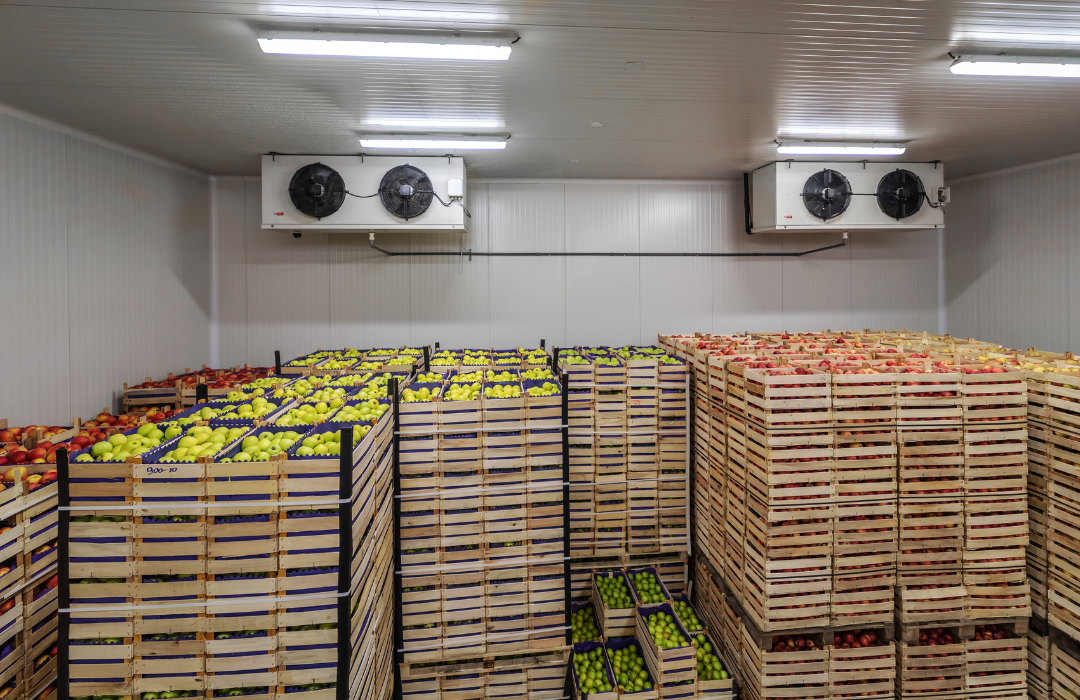
For instance, many sites require spaces to be at specific temperatures, such as in animal enclosures, laboratories, warehouses and art galleries. If the air conditioning system were to experience a fault or not be reaching the required temperature, without ongoing remote monitoring in place, by the time someone noticed there to be an issue, it could be too late. This is particularly critical in environments where maintaining a cold chain is essential, linking HVAC performance directly to services like fridge freezer monitoring.
The true cost of HVAC failure extends far beyond a simple repair bill. An unexpected system failure can lead to severe operational disruption, especially in sectors like manufacturing, waste and recycling where process continuity is paramount. For critical IT infrastructure, overheating due to an AC malfunction can lead to irreversible data loss or server damage, which for many companies can cost millions in lost revenue and recovery efforts.
Furthermore, poor ventilation and temperature control directly impact staff well-being, potentially causing sickness and reducing output, highlighting why many businesses are now considering integrating fire, security, and environmental monitoring into a single, cohesive strategy.
Remote Monitoring for Air Conditioning Systems
Air conditioning monitoring is carried out by a third-party monitoring company who are connected to an alarm receiving centre (ARC) and has a team of dedicated monitoring operatives. The remote monitoring company will connect the ARC to a site’s air conditioning system and be able to receive real-time data.
Custom event triggers and parameters can be set up, depending on the nature of the site, that sends a notification to the monitoring company if they occur. These could include a rise above or drop below a certain temperature or a certain threshold of air quality. They will also be able to see if the system is not working efficiently, if there is a fault or if the system has gone offline.
These real-time notifications mean that the monitoring company can provide immediate support for the site, whether that is resetting the system, calling the site keyholder or organising a maintenance visit. This process is highly streamlined, with the ARC often managing remote site access for approved engineers to ensure the quickest possible resolution.
Modern HVAC monitoring is increasingly moving beyond simple temperature alerts, capitalising on the global trend towards monitoring in the age of smart buildings. By integrating IoT sensors and utilising advanced analytics, ARCs can interpret complex data streams. This technological shift allows monitoring professionals to identify subtle anomalies, such as a steady increase in motor temperature or pressure drops, long before they lead to a full system failure. This level of proactive oversight transforms maintenance from a reactive task to a finely tuned, predictive process.
Benefits of Remote Air Conditioning Monitoring
Better System Performance
Remote monitoring allows access to the performance of the air conditioning system and ensures it operates at its best. By monitoring factors such as temperature differentials, airflow, and cooling capacity, any deviations from the desired parameters can be identified. This enables proactive measures to take place, addressing any issues promptly and ensuring optimal comfort and efficient cooling.
Immediate Alerts & Notifications
The primary benefit of remote monitoring is the ability to receive instant alerts and notifications regarding system issues. Detect abnormal conditions or malfunctions in real-time and receive an instant notification via a call, email, SMS, or mobile app notification. This allows for immediate attention and swift resolution of the problem, reducing downtime and minimising the risk of costly repairs. To maintain this level of responsiveness, it is crucial to understand how backup protocols are key for remote monitoring continuity during power or network outages.
Maintenance & Preventive Care
A remote monitoring company can detect potential problems or malfunctions early on, therefore identifying issues before they escalate. Timely maintenance and preventive care can save a site from costly repairs, extend the lifespan of the air conditioning system and ensure uninterrupted cooling during peak times.
Energy Efficiency
Remote monitoring will help a site track the energy consumption of its air conditioning or HVAC system. UK offices contribute 51% of the countries total cooling and humidfication energy consumption, followed by the retail sector at 19%. By analysing energy usage patterns and identifying inefficiencies, key industries can implement energy-saving strategies, such as adjusting temperature settings, improving insulation, or upgrading to more energy-efficient equipment. Remote monitoring allows a site to make informed decisions to reduce its energy usage, especially since poorly maintained HVAC systems can consume up to 30% more energy than optimised installations.
Performance Reporting & Analytics
Remote monitoring of an HVAC system can provide comprehensive reporting and analytics on the system surrounding energy usage trends, temperature differentials, system efficiency, and more that can then be used to make informed business decisions. For example, the incorporation of AI into modern systems allows for predictive analytics that can anticipate failure points and identify opportunities for up to 60% average energy savings, a result validated by extensive research on smart HVAC monitoring systems (E2).
Compliance & Regulation
In certain commercial settings, such as healthcare facilities or food establishments, monitoring air conditioning systems is often a regulatory requirement. Remote monitoring will ensure compliance with industry standards and regulations, ensuring a system meets the necessary criteria for operation and hygiene.
Navigating the F-Gas Phase-Down with Remote Monitoring
A critical and evolving area of regulation is the UK’s F-Gas phase-down, aimed at reducing emissions of fluorinated greenhouse gases (F-gases) commonly used as refrigerants. These regulations mandate stricter requirements for the maintenance, repair, and reporting of systems containing high-Global Warming Potential (GWP) refrigerants.
For instance, from 2025, there are bans on the sale of new single-split air conditioning systems that contain refrigerants with a GWP over 750, a significant update from the UK Government’s guidance on F-gas (E1). Failure to comply can result in hefty fines and operational downtime. Remote monitoring provides an essential layer of defence against non-compliance, as monitoring operatives can track leak detection alarms and ensure accurate service logs and scheduled leak checks are maintained. For commercial properties with substantial equipment, this proactive oversight is not just an operational benefit; it is a legal imperative.
By having a clear overview of HVAC systems, businesses can strategically plan for the transition to lower-GWP alternatives, such as R-32, ensuring both compliance and improved efficiency. This is part of a broader trend where technology integration, similar to The Role of AI in Enhancing Video Surveillance Accuracy, is used across all building management disciplines.
Cost Saving
Remote monitoring can identify inefficiencies, address issues promptly, and optimise energy usage. This leads to significant cost savings in the long run, both in terms of reduced energy bills and minimised repair, replacement or callout expenses.
Peace of Mind
Air conditioning monitoring will give a site peace of mind that their HVAC system is being monitored 24/7 by a professional team of monitoring operatives. They can have confidence knowing if an issue did arise, it would not go unnoticed and responded to quickly and appropriately. This constant vigilance is why remote monitoring is a foundational service for improving efficiency in facility management across various sectors.
The integration of HVAC and security monitoring under one roof also centralises critical site data, providing a more holistic and cost-effective approach to site management.

Remote Monitoring Solutions for Air Conditioning
Remote monitoring solutions can revolutionise the way air conditioning systems are monitored by enhancing efficiency, performance, and energy savings. Through real-time data collection, immediate alerts, predictive analytics, and energy optimisation, remote monitoring can empower businesses to know their AC systems are in safe hands. The shift toward intelligent, interconnected systems is transforming building management, delivering measurable returns on investment by reducing energy waste and preventing costly failures. With actionable insights and timely interventions, system downtime is minimised, repair costs are reduced, and energy efficiency is maximised.
How to Remotely Monitor an Air Conditioning System
Embrace the power of remote monitoring to ensure your sites’ air conditioning systems operates at their best, providing optimal comfort, efficiency and cost savings.
To get started, get in touch with the RMS team to find out more. They’ll answer all your questions and provide you with a free quote.
Call today on 0330 002 1149 or fill out our online form here.
Share: